FANUC 9137/d7 case: A06B-6164-H344 repair after a burnt connection port
This preserves the original A06B-6164-H344 case involving a burnt port, 9137/D7 and SP19B replacement. The βiSVSP manual definition is added, while making clear that the outcome is not a universal component-replacement remedy for all 9137 alarms.
Contents
This is a repair record retained by this site for a FANUC four-in-one drive, model A06B-6164-H344. The original record describes short-circuit and burn damage at the connection port between the side board and base board. After the port was replaced, the NC reported alarm 9137 and the drive displayed D7. The following separates the recorded repair facts from the manual's general explanation.
Checks and outcome in the original record
The original record traced the problem to a short circuit through carbonized material after the port burned. It recorded continuity between 24V and the SCL/SDA signals and judged the SP19B chip to be damaged; normal operation returned after SP19B replacement. This article retains that actual record and the two original photographs. The source did not provide measuring-instrument details, complete test-point records or long-term return-to-service data, and no such results have been added.
How the manual defines d7/SP9137
Part IV, section 3.4.73 of FANUC B-65325EN/02 describes βiSVSP d7/SP9137 as a communication error in control-circuit electronic devices. Checks include the control-board mounting condition and unit failure. It does not define the alarm directly as “SP19B failure.” One successful chip replacement therefore does not establish that every alarm with the same number requires the same chip.
Information to confirm first for a similar fault
- Confirm the amplifier's full specification number and board revision, and save the complete NC message and drive display.
- State whether the alarm appeared during the original fault or after part replacement. Record the two stages separately so changes in the fault are not lost.
- Retain photographs of the burned location and connections, distinguishing confirmed short circuits from areas still awaiting testing.
- Give repair personnel the replaced-part list, actual inspection results and unresolved items, rather than only saying “9137 alarm.”
Repair limits and follow-up
When burn or carbonization marks are present, do not keep re-energizing the equipment for trial operation. Board removal, testing and repair require isolation and confirmation of stored energy according to the equipment documentation, by personnel with the necessary capability. Do not test a theory by shorting signals or bypassing protection, or assume the extent of damage is known merely because a visibly damaged port has been replaced.
Repair handover should state the inspection scope and restart results. Here, the original record only concludes that “normal operation returned”; this is not expanded into a claim of load, temperature-rise or continuous-running tests. For a related alarm, see the SP9110 communication-error record (Chinese), but a different alarm number requires its definition and checking procedure to be verified separately.
Original site photographs
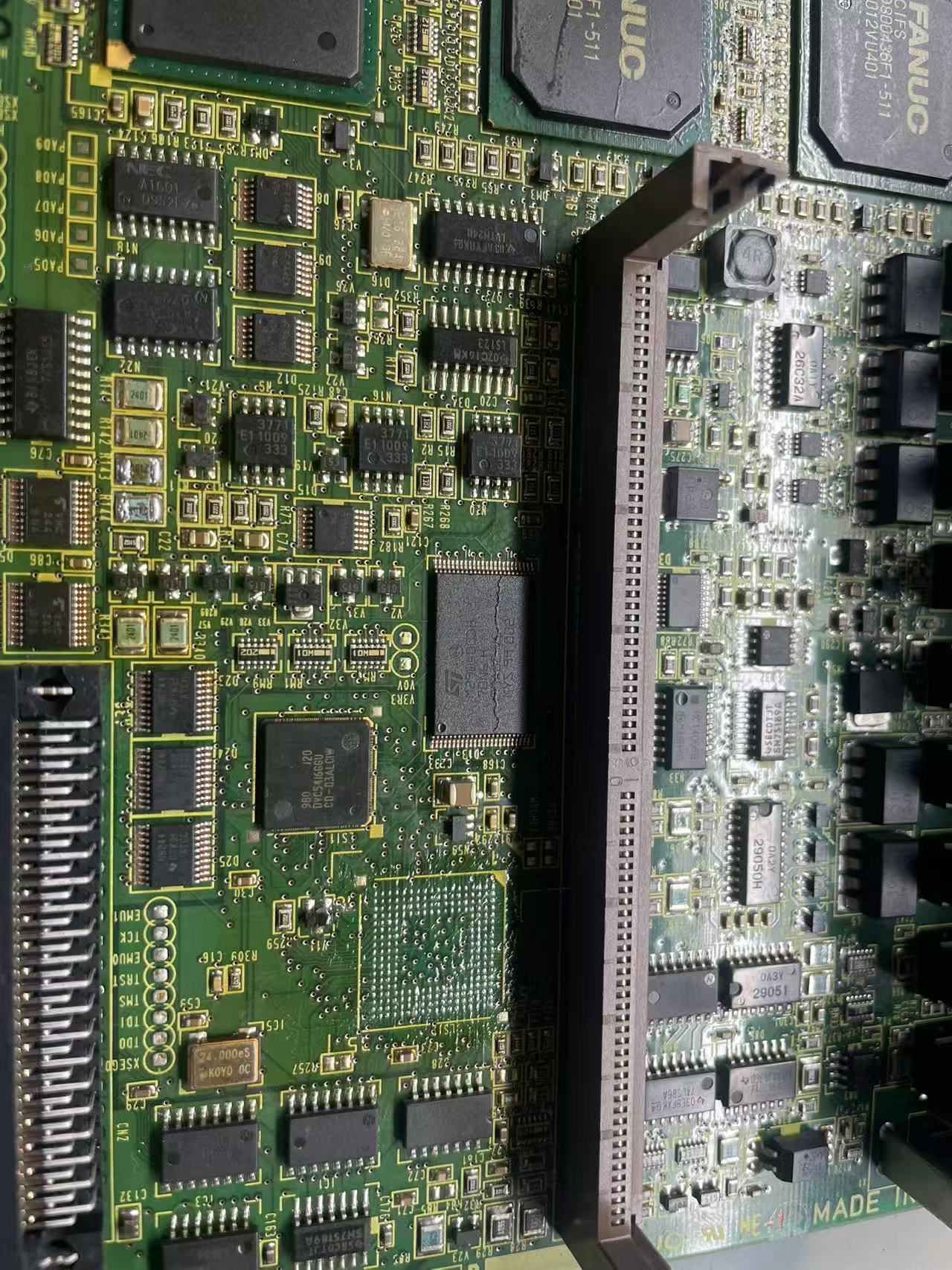
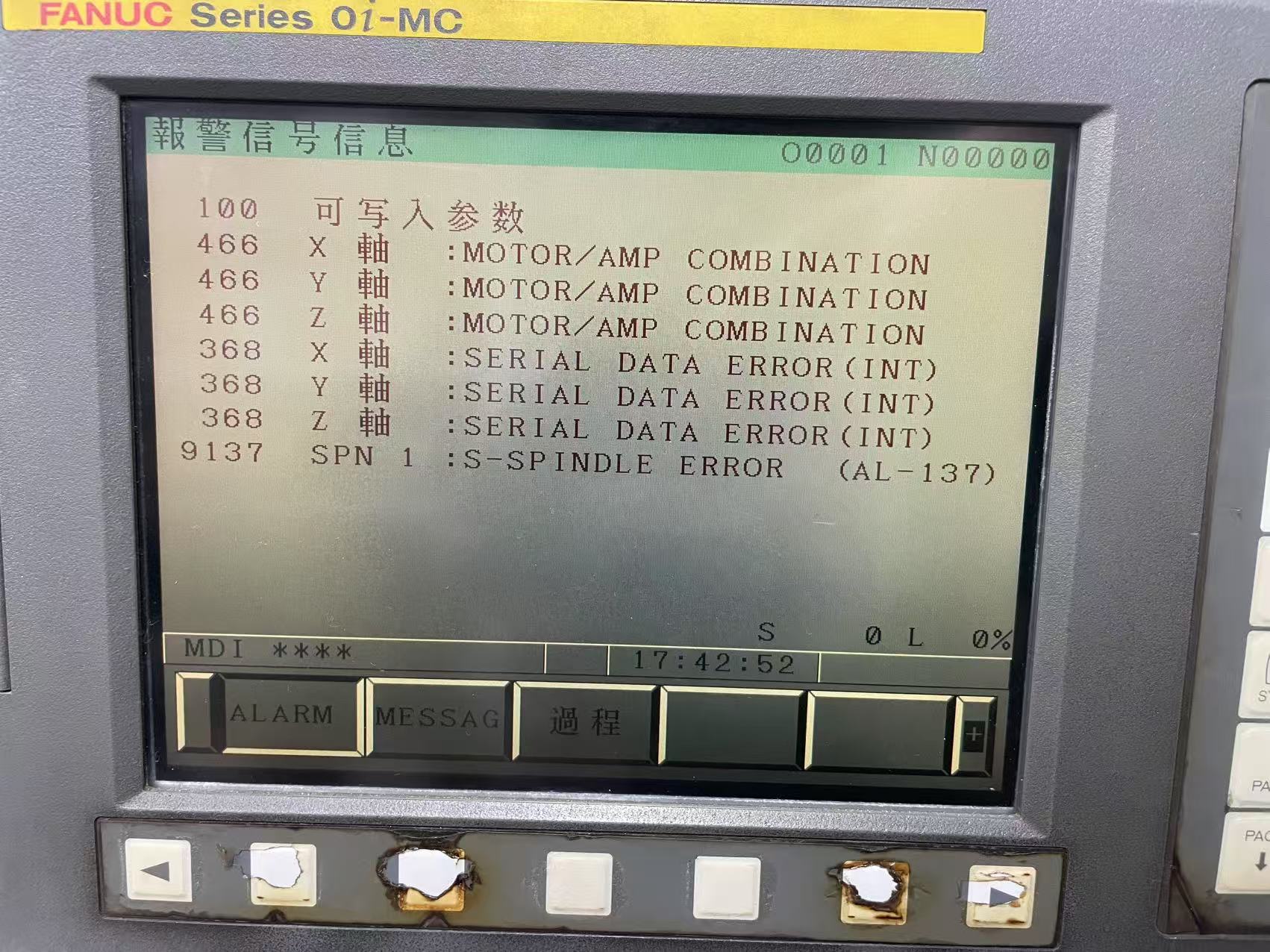
Reference: FANUC βi Series Maintenance Manual, B-65325EN/02, IV. Troubleshooting for βiSVSP, §3.4.73, printed page 132; public mirror hosted by Industrial MCO. This article explains applicability and suggests how to organize site information. Perform specific work according to the documentation for the actual equipment and its machine builder.